

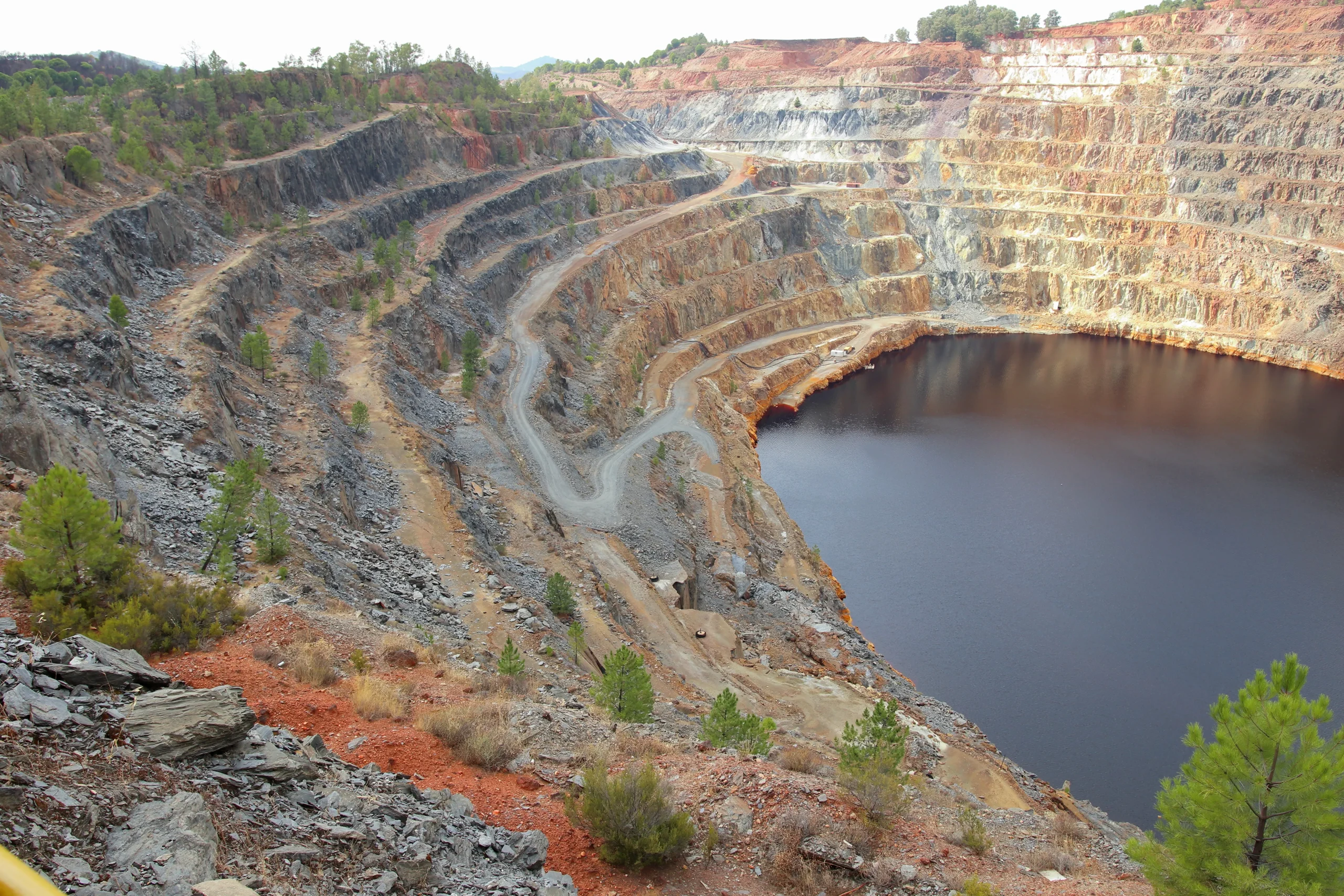
Mining is also a crucial factor to the provision of the minerals and resources required by the contemporary world. Nevertheless, mining operations may also cause severe effects to the environment in case they are not employed in the most appropriate way.
The land disturbance is one of the most common environmental issues with regards to mining. Surface mining activities may necessitate the extraction of large quantities of soil and rock, which may change natural topography and natural ecosystems.
Another possible effect of mining activities is water pollution. Unless waste management is well carried out, chemicals involved in processing the mineral may at times pollute the water sources around the area. It can have an impact on aquatic organisms and the surrounding communities that depend on the availability of such water resources.
Mining activities may also lead to air pollution. The drilling, blasting, and transportation activities will produce dust particles that may decrease the quality of air and impact the health of workers and the surrounding population.
In order to resolve the challenges, mining firms are embracing the idea of environmentally responsible practices. Monitoring systems are environmental systems that are employed to monitor the air and water quality in the mining sites.
Another key approach in mitigating the environmental impact of the mining activity is land reclamation. Once mining activities are over, firms replenish the land with vegetation and stabilizing the soil to facilitate the re-establishment of the natural habitats.
In the current regulations, mining companies are also to work under the strict environmental regulations. With the efforts of governments and environmental groups, the mining companies engage in responsible mining.
The mining industry can remain a source of the important resources and help to reduce the footprint on the environment by using sustainable measures and new technologies.